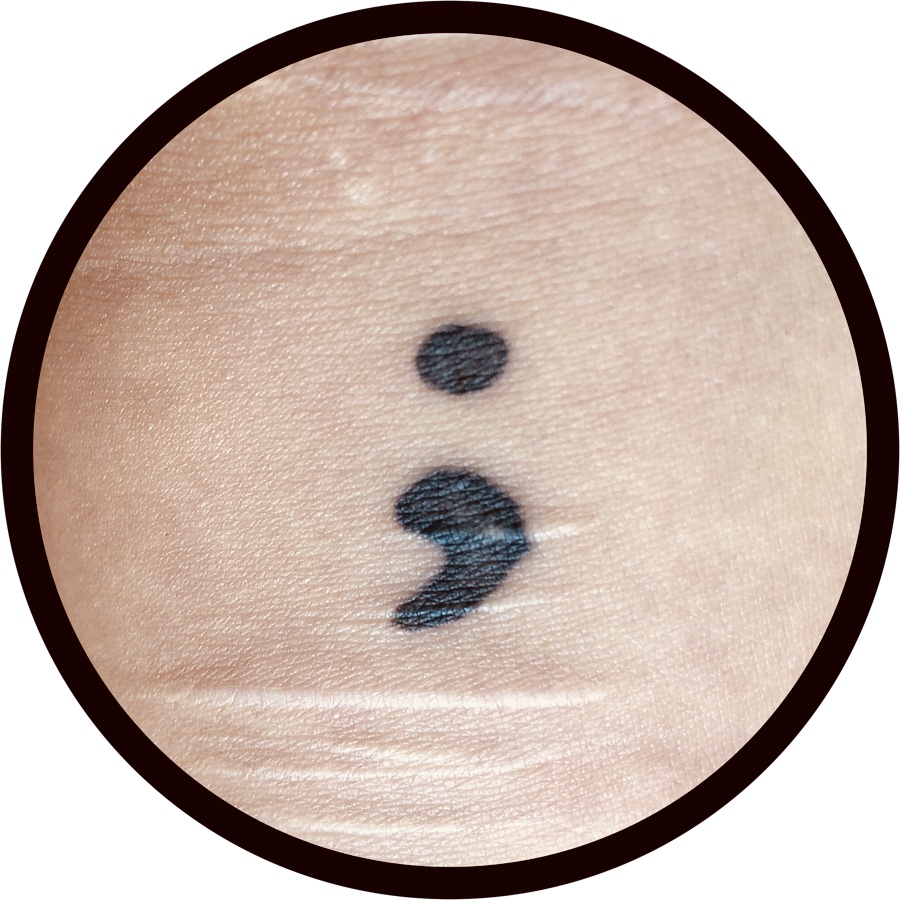

Hello fellow humans, who here experiences rejection sensitivity? Does anyone get so anxious about trying something out that it feels less risky to not try at all?
I think many of us feel this regularly or at least have our moments. It’s not just being afraid of asking someone out for coffee, either. It can be not asking your boss for the raise you deserve, or not setting healthy boundaries out of fear of displeasing people.
Rejection sensitivity is that insidious voice holding us back from achieving our desires, often resulting in the lingering disappointment of ‘what-ifs’. I face my fair share of rejection anxiety, performance anxiety, success and failure anxiety… pretty much every form of anxiety and sensitivity out there! However in the past few months – which have been a confusing sh*tstorm – I’ve somehow gained unprecedented ground in this area.
Necessity Breeds Invention
I shouldn’t say somehow, because I now know the catalyst for this change: necessity. Necessity really does spark invention, and in this case, personal reinvention.
The Service Dog petition that I’ve been working hard on (and that you’re probably tired of hearing about) has really pushed me out of my comfort zone. It became a pretty clear that without putting myself out there, I have no chance of reaching the minimum signatures required. Previous initiatives have paved the way, but this one ‘takes the cake’ in terms of personal growth.
My Method for Rejection Anxiety Desensitization
If you’re ready to break the ice with me, here was my fairly organic evolution to serve as inspiration.
Step 1:
Deliberately engaging in conversations, even when it feels awkward. The best way to start is with a ‘warm crowd”, meaning people you already know. I shared my initiative in situations like these and was encouraged by the interest some people showed. Of course not everyone was interested, so my goal was to bring it up and test the waters. I tried to see these experiences as opportunities to practice. What I would’ve considered a failure in the past now became a success. How? I modified my definition: Success now meant trying, regardless of the result. A new signature became the bonus – the cherry on top! This shift in perspective can be immensely freeing. The more we penalize ourselves for mistakes, the less likely we are to put ourselves in situations where mistakes are possible. Which, I’m sorry to say, are unavoidable because mistakes can happen anywhere and with anything.
Step 2:
Now it’s time to up your game and try out ‘cold crowds.’ Engage with new people whether not you have something to ask or ‘pitch’. Simply practising these interactions is likely to build your confidence over time. It can also help you convert ‘cold crowds’ into ‘warm crowds’ and build your network of contacts. This is exactly what happened for me: I put myself out there and even though not everyone took up the petition, I learned a lot. Even if the first person couldn’t help directly, some of the new contacts I was referred to have helped a great deal. You never know if you don’t try!
Step 3:
This is where things get more stressful because rather than random encounters, you’re seeking out a person or group and have a specific goal in mind. It might be a ‘cold crowd’ and the pressure is on to explain your request. Maybe it’s an ‘elevator pitch’ type of thing where no time can be wasted. Even if your target is ‘warm’, you still need to convince them succinctly. (Which can be difficult in the best of times but especially so when we’re anxious.) This was the biggest leap for me in overcoming rejection sensitivity. Why? Because I wanted to succeed so badly that I was forgetting the core principle: Getting up the courage and impetus to TRY is a success in itself. If I don’t try, my chance of failure might be O%, but so is my chance of success!
To improve the odds, I try to prepare as well as I can. This doesn’t just include:
• Knowing the material.
• Bringing what you need.
• Practicing what you’ll say.
Mental/Emotional preparation is equally important:
• Sleeping well and enough the night before.
•Timing things so they coincide with your peak energy.
• Knowing when to defer something because you’re not in the right mental state.
• Preparing yourself for the good and bad potential outcomes, to avoid getting overwhelmed or crushed.
P.S. I’ve been in the weird position of not being prepared for success, and it was almost as scary as failure! Why? Because fear of success is a real thing – what if the success doesn’t last? It’s easier to fall from standing height than if you’ve already mounted a stage, if you get my meaning.

Step 4:
Repeating these steps and going over your encounters to learn for the future. (What worked and what didn’t? What made things easier for you?) And let’s try not to forget the frequently overlooked step of congratulating ourselves every time we step out of our comfort zone, regardless of the outcome. We deserve a bit of praise from within; it’s not narcissistic, it’s healthy. What isn’t healthy is constantly setting objectives and planning the next steps without pausing to appreciate where we’ve been.
I saw something about this online that really resonated with me:
I feel like I’m constantly worrying about the next part of my life without realizing that I’m right in the middle of what I used to look forward to.
This made me realize that despite worrying about the petition and dealing with the pressure of making/answering calls and emails, I’m doing something that I love. Things are happening that I couldn’t have even dreamed of. I wrote an article for the Main Street newspaper and Mia and I are going to be interviewed for TV.
So even if the petition doesn’t get enough signatures, more and more people are becoming aware of the wide variety of Service Dogs and the problems we face as handlers. Of course I want the petition to move forwards and succeed, but this too is an important step in the right direction. I want to remember how far I’ve come instead of only focusing on how much distance remains. Dreams are fantastic, but it’s important to know when we’re currently living a dream of the past.
I hope you found this article inspiring and I encourage you to follow your passions and desires, wherever they may take you!
If you haven’t signed my Petition for the Rights of Service Dogs and their Handlers, please, please take the 2 minutes required to support the cause. A lot of things need changing in this world but very few are as easy as obtaining 500 signatures. So many people will benefit and I’d be incredibly grateful for your help!
https://www.ourcommons.ca/petitions/en/Petition/Details?Petition=e-4588
Thank you!

 I Will Not BE My Mental Illness
That’s a great post! I have many of these fears. I’ve never been able to ask for a raise, I hate having to answer the phone, and I don’t like going out amongst people at all. I’m better than I used to be as I haven’t had an anxiety attack in years but I used to have them often. Thanks for the great tips!
LikeLike
I’m happy that you found my post helpful and pertinent. It’s wonderful that you’ve improved so much – that can’t have been easy, so good on you! By the sound of it, I could use YOUR tips in my life haha.
LikeLike